Classroom learning vs. bedroom learning
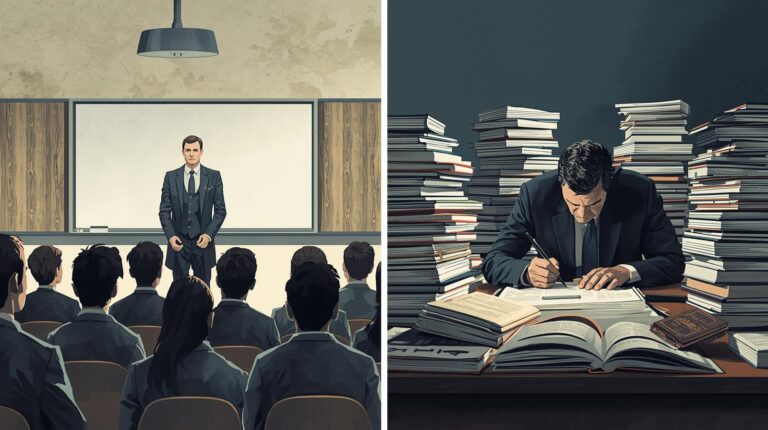
For a long time, learning had a very clear address.
It happened in classrooms.
You travelled somewhere.
You sat on a bench.
The teacher stood in front.
The board was behind them.
And learning moved in one direction — from the front of the room to the back.
This system shaped how most of us think about education.
If you want to learn something, you go to a place.
A school.
A college.
A coaching centre.
A training institute.
Learning had a timetable, a bell, and sometimes even a uniform.
And for centuries, that model worked reasonably well.
But something has started changing quietly.
Learning is no longer limited to classrooms.
A new learning environment has appeared — one that doesn’t have walls, desks, or fixed hours.
Let’s call it bedroom learning.
Not literally just bedrooms, of course. It could be a hostel room, a corner in your house, a café table, or even a train seat.
The point is simple.
Learning is now happening in personal spaces, not just institutional spaces.
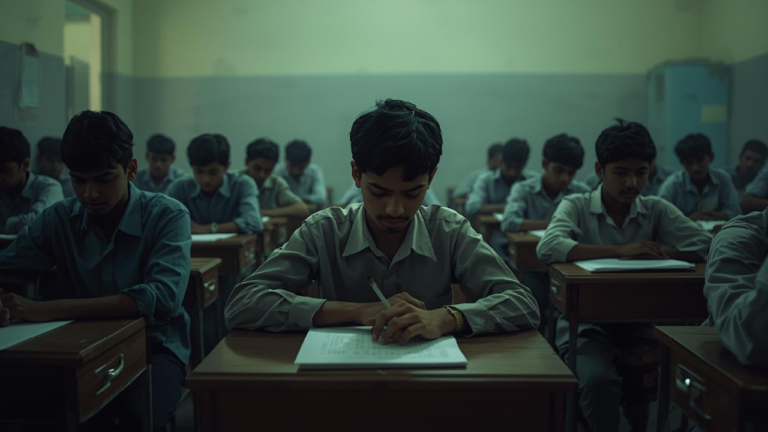
Think about how most classrooms work.
One teacher.
Many students.
The teacher explains something.
Some students understand immediately.
Some understand slowly.
Some are confused but hesitate to ask questions.
The class moves forward anyway because the timetable has to continue.
This creates a strange situation.
Everyone receives the same explanation, but not everyone gets the same learning experience.
Some learners need to ask five questions.
Some need to practise ten times.
Some need to try something slowly and privately before they feel confident.
Classrooms are not designed for that level of personal pace.
They are designed for groups.
Bedroom learning works differently.
It is quiet.
It is self-paced.
There is no audience.
You can pause, repeat, explore, and ask questions without worrying about what anyone thinks.
You can spend fifteen minutes understanding a concept that a classroom explained in two.
You can practise a skill repeatedly without waiting for your “turn”.
You can experiment.
In many ways, bedroom learning removes one invisible pressure that classrooms often create — the pressure of being watched.
When that pressure disappears, something interesting happens.
People become more curious.
They ask questions they might never ask in public.
They try things they might otherwise avoid.
Learning becomes less about performance and more about exploration.
But this is not a competition between classrooms and bedrooms.
It is not about replacing one with the other.
Both environments serve different purposes.
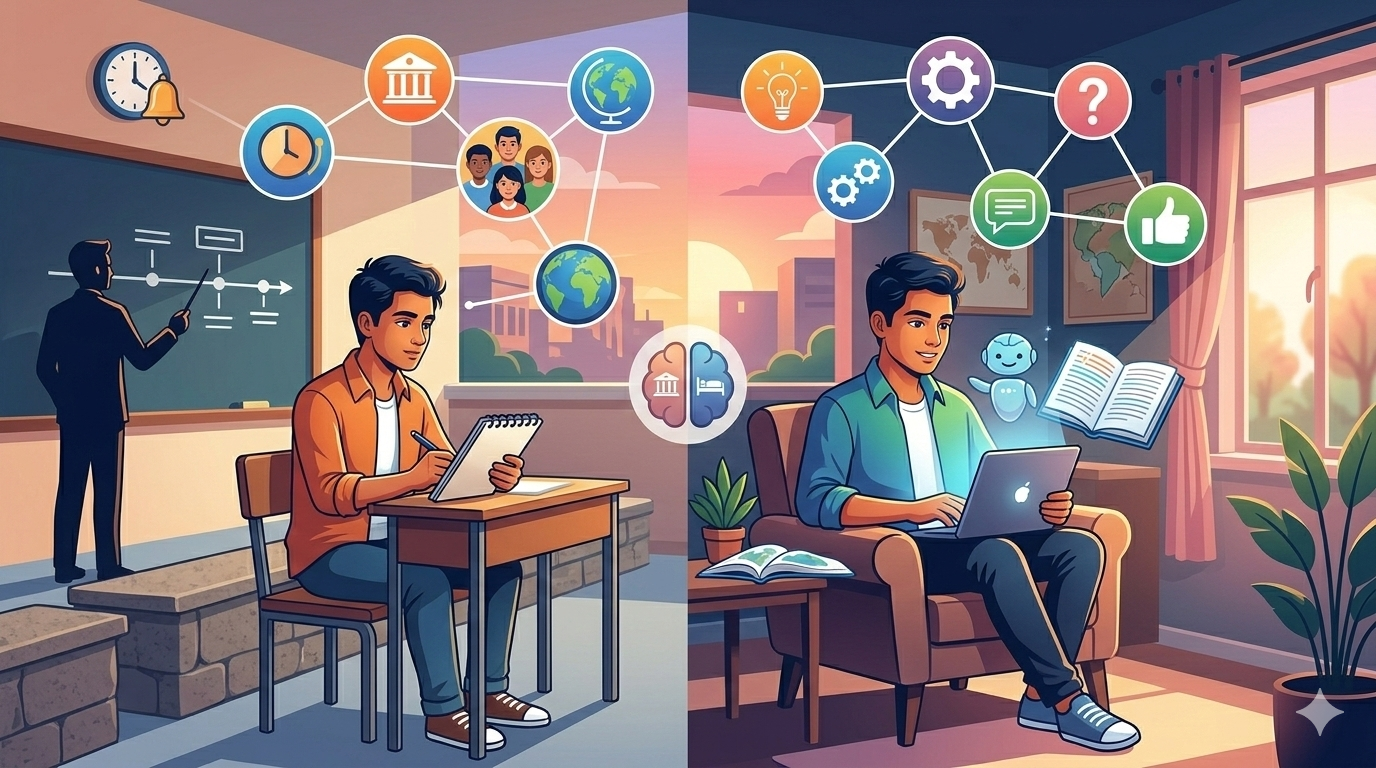
Classrooms are powerful for exposure.
They introduce you to new subjects, new perspectives, and other people’s thinking.
They create discussions and collective energy.
Bedroom learning, on the other hand, is powerful for practice.
That is where you test ideas.
Repeat concepts.
Ask questions.
And slowly build personal understanding.
If classrooms are where ideas are introduced, bedroom learning is often where ideas become yours.
Many learners don’t realise this shift yet.
They still think learning begins and ends when the class is over.
But the class might only be the starting point.
The real improvement often happens later — when someone sits quietly with their thoughts, their notes, and their curiosity.
Those quiet hours of personal practice can sometimes matter more than the lecture itself.
Because learning, in the end, is not about how much information you hear.
It is about how much understanding you build.
We are entering a time where the most effective learners may not be the ones who attend the most classes.
They might be the ones who know how to continue learning after the class ends.
The ones who treat learning as something personal, not just institutional.
Because classrooms may introduce the subject.
But bedroom learning is where the subject slowly becomes a skill.